
Understand how markets work, learn the language of trading and recognise mistakes before they become habits.
This website accompanies Day Trading for Beginners. The book and website explain the foundations, terminology and methods of day trading for readers with no previous experience.
My aim is to make the essentials clear: enough detail to understand your decisions, without making the subject needlessly complicated.
I draw on my own experience of markets, including mistakes and setbacks. If you have already started trading, these lessons can also help you reflect on what needs to change.
Learning the rules is one step. Applying them with discipline is another.
Your emotions, expectations and response to losses matter alongside your market knowledge. Throughout the website, you will find ways to make preparation and review part of your routine.
I hope these resources help you approach the markets with greater understanding and realistic expectations.

Understand the decisions behind a trade
Learn how prices form, how a trading plan works and why risk management and psychology matter. Thomas Dahlmann connects the foundations with practical questions you can ask before entering a position.
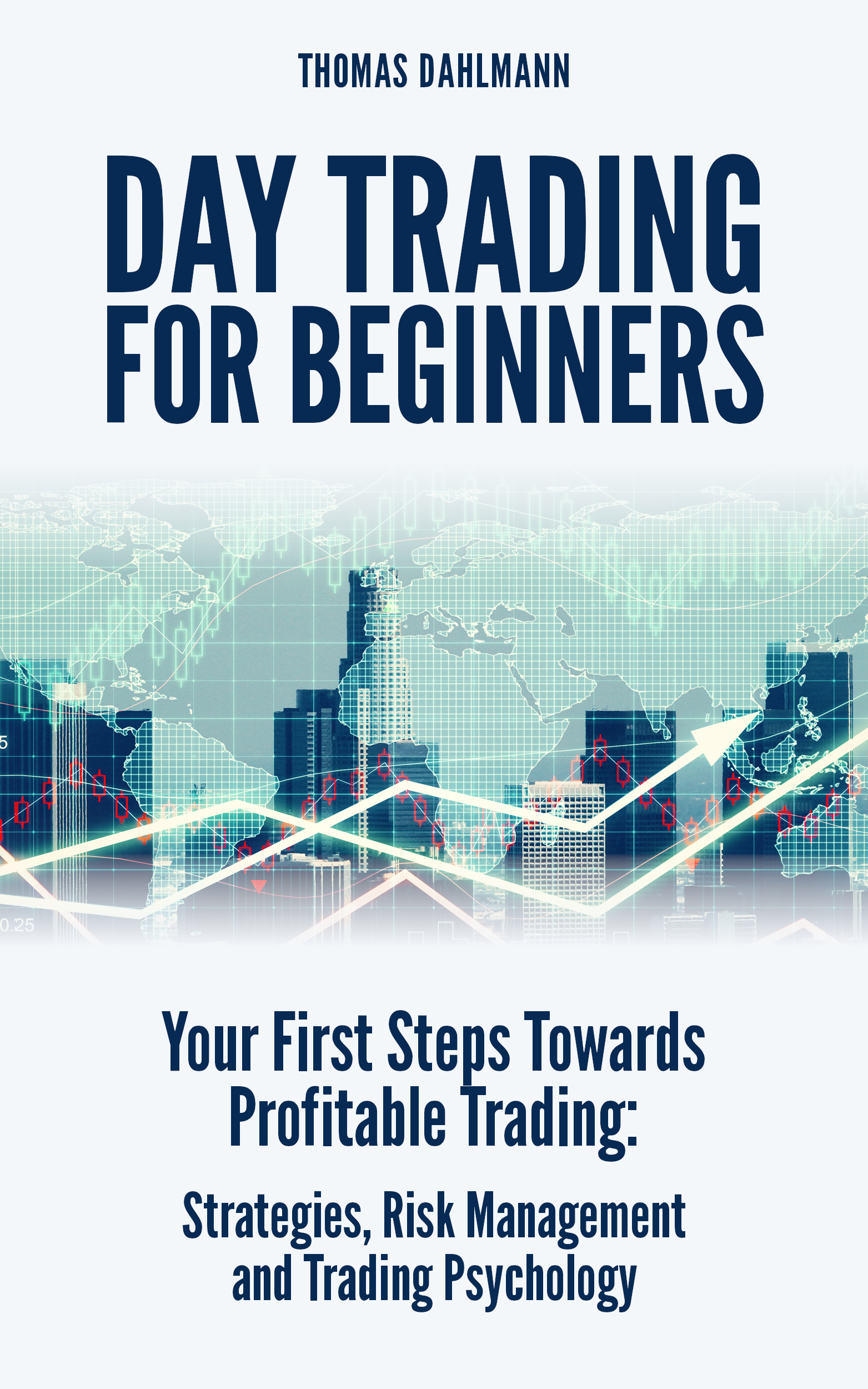
Day Trading for Beginners
Build an understanding of the markets, from the terminology and chart analysis to planning trades and limiting risk.
What is day trading, and how can you learn it?
Day trading means opening and closing positions within the same day. Traders aim to benefit from short-term price changes, either upwards or downwards depending on the instrument and position. If the market moves against them, they can lose money.
The appeal often lies in making independent decisions and following markets closely. This flexibility does not make trading easy or create a reliable income. Costs, leverage and emotional pressure need to be understood from the beginning.
The book explains the process step by step. Start with the foundations, practise using a platform and define your risk before considering live trades.
You can find answers in the FAQ, compare practical requirements on the broker page, and build a preparation and review routine in the reader area.
What makes trading worth understanding?
Day trading is demanding and involves the risk of loss. Studying it carefully can nevertheless help you understand markets and make more deliberate decisions.
Make deliberate decisions
Working with a written plan helps you distinguish a considered decision from an emotional reaction. You remain responsible for the risk you take.
Understand position size
A larger position changes both potential gains and losses. Learning this relationship helps you see why risk should be calculated before a trade.
Learn how markets behave
Studying price movements develops a clearer view of supply, demand, news and uncertainty. No analysis removes the chance of being wrong.
Understand rising and falling markets
Some instruments allow both long and short positions. Learn how each works and where the risks differ before using them.
Choose a focused workspace
Online platforms make markets accessible from different locations. A reliable connection and a quiet place to think still matter.
See your wider financial exposure
Learning about market risk can help you understand how different positions interact. Adding trades can increase risk as well as change it.
Build a routine that fits
Preparation, a defined trading session and a brief review make your time easier to organise. You do not need to watch every market all day.
Keep expectations realistic
Market conditions change. A method that worked in one period may struggle in another, so review decisions and avoid treating past results as a promise.
What you will learn in the book
The book connects the foundations of markets with the decisions you make when planning a trade.
- Introduction
- The website accompanying the book
- Factors that influence trading decisions
- Stock market basics
- An introduction to leveraged products
- The broker: access to the markets
- Trading software
- Fundamental and chart analysis
- Trading in practice
- Risk management
- Trading strategies
- Your next steps
The foundations
Understand shares, exchanges and how prices form. Clear definitions make it easier to follow the practical chapters without prior financial knowledge.
Price movements and chart analysis
Learn to read a chart, identify relevant levels and describe what would support or invalidate a trading idea.
Your broker and trading software
Understand the role of a broker and practise the platform controls. Learn how to check the instrument, direction, size and exit orders.
Trading strategies
Explore approaches such as trend following and breakouts. Look at the conditions behind each method and how you might test it rather than expecting one strategy to work everywhere.
A considered trading routine
Bring risk management, a trading journal and psychology into the same process. Record the decision as well as the result.
Rules that protect your process
Set practical limits before a trading session. Written rules can help you notice overtrading, impulsive entries and attempts to recover losses.
Your trading plan
Define the markets you follow, the conditions you trade, your available time and your risk limits. A plan gives your practice a structure that you can review.
Your next steps
Continue learning at a pace that allows you to understand the risks. Use the reader resources to prepare, document and review your practice.
Understand your trading psychology
Fear, greed, stress and expectations can all change how you respond to a moving market. Recognising your own behaviour is an essential part of learning to trade.
A trading journal can help you spot recurring patterns: entering too early, moving a stop or increasing size after a loss. Describe what happened and what you will do differently next time.
The reader area helps you turn these observations into a routine. Prepare a plan before your session, use clear risk limits and review whether you followed your rules.
Build a clearer trading routineYour questions about day trading
Clear answers to the questions beginners often ask, so you can understand the next step and the risks involved.
What is trading?
Trading means buying and selling financial instruments to take part in price movements. This website and the book focus on shares and derivatives. A derivative takes its value from an underlying market, such as a share or an index.
How does day trading work?
Day traders open and close positions within the same trading day. A long position benefits from rising prices; a short position benefits from falling prices. Either can lose money. A trading plan defines the entry, the exit and the amount at risk before an order is placed.
What do I need to start learning?
You need time to study and practise, a computer with a reliable internet connection and a willingness to review mistakes honestly. A demo account lets you learn the platform using virtual funds. Live trading also requires eligibility with your broker and money you can afford to lose.
Why do people find trading interesting?
Trading combines market analysis, decision-making and psychology. You can choose a routine that fits the markets you follow and your other commitments. That flexibility comes with uncertainty: trading does not provide a dependable wage.
Who is trading unsuitable for?
Trading may be unsuitable if losses would affect essential spending, if you need a reliable income from it, or if the emotional pressure is difficult to manage. Chasing losses, borrowing to trade and increasing stakes under pressure can make the situation worse.
How should a beginner start?
Begin with the foundations in Day Trading for Beginners. Choose one simple method, write down risk rules and practise on a demo account. Record each trade and review it regularly. The reader area helps you prepare and reflect.
How much money can I earn from trading?
There is no reliable amount you can expect to earn. Results depend on market conditions, costs, capital, decisions and risk, and you may lose money. Increasing position size increases potential losses as well as potential gains. Treat figures promising a regular monthly income with caution.
How long does it take to become consistent?
There is no fixed timetable and no guarantee of profitability. Learning the mechanics is only part of the process; applying rules under pressure takes practice. Assess progress through the quality of your decisions and a properly recorded history, rather than a deadline for making money.
How much time does day trading take?
Allow time for preparation, trading and review. The right schedule depends on your strategy, the market and your commitments. A short, focused session with clear rules is more useful than hours of impulsive clicking.
Which trading software should I use?
Choose a platform you can operate confidently. Practise entering orders, setting stops and targets, and checking position sizes before using real money. MetaTrader is one option discussed in the book. The broker page helps you compare the practical requirements.
Which markets can be traded?
Common markets include shares, indices, currencies and commodities. CFDs track an underlying price without giving you ownership of the underlying asset. The instruments available depend on your country, broker and account; check the relevant product information before trading.
Is day trading gambling?
Trading without a tested method or risk limits can become gambling-like behaviour, especially when you chase losses or trade for excitement. Analysis and clear rules can make decisions more deliberate, but they do not remove uncertainty or guarantee a profit.
What is the difference between trading and investing?
Trading focuses on shorter-term price movements, while investing generally involves holding assets for years. Day trading closes positions within the day. Some trading products allow short positions, which can benefit from falling prices but also carry risk.
Should I start with a demo account or real money?
A demo account is a useful place to learn the controls, practise a strategy and understand position sizing without risking real funds. It cannot fully reproduce live execution or the emotions of real losses. There is no need to rush into live trading; only consider it once you understand the risks.
Why is day trading risky?
Leverage magnifies the effect of price movements. Fast decisions, changing market conditions, gaps, trading costs and emotional reactions can all create losses. A stop order may execute at a different price from the level you set.
Why can day trading be difficult?
Knowing a rule and following it under pressure are different skills. Fear of missing out, taking profits too early and letting losses grow can undermine a plan. A journal helps you identify repeated behaviour and judge your decisions more objectively.
What is a broker?
A broker provides your account and access to a trading platform. With CFDs, you enter a contract with the provider rather than owning the underlying share. Understand the provider’s legal entity, execution arrangements, fees and protections before opening an account.
Which trading strategy is best?
There is no single best strategy. Start with an approach you understand and can describe, test and review. Changing methods after every loss makes it difficult to learn what works under which conditions. A backtest or a profitable run does not guarantee future results.
How do I decide when to buy or sell?
Define three things before a trade: the condition for entry, the point at which the idea is invalid, and the exit plan if the market moves in your favour. These rules make it easier to assess risk and avoid decisions driven by the latest price movement.
How many markets should I follow as a beginner?
Focusing on one or two markets can make it easier to learn their trading hours, news sensitivity and typical behaviour. Keep your watchlist small enough to prepare and review it properly.
Can day trading make me rich quickly?
Quick-wealth expectations can encourage excessive risk and impulsive decisions. A more useful starting point is to understand the market, protect money needed for everyday life and practise a repeatable process. There is no guaranteed route to wealth through trading.
How many trades should I place each day?
There is no daily quota. Trade only when the conditions in your plan are met; sometimes that means no trades at all. More activity also means more costs and more opportunities for mistakes.
Can I live on day trading?
Some people trade professionally, but trading income is uncertain and losses can continue for long periods. Do not plan essential expenses around expected trading profits. Consider the financial and emotional pressure before relying on trading as a sole income.
Should I buy a ready-made strategy or trading bot?
A purchased system does not replace understanding or risk management. Ask how results were measured, which costs were included and how the method behaves in different markets. Treat external strategies as material to examine, not as a shortcut to guaranteed returns.
Which chart timeframe should beginners use?
Very short timeframes can increase pressure and transaction costs. Use a consistent approach: a broader view for context and a defined timeframe for entries. The important point is to understand and test the rules you use.
Which indicators should I use?
Use only indicators whose purpose you understand. Adding more can produce conflicting signals rather than clarity. Price behaviour, support and resistance, and written rules are useful foundations; indicators can supplement them.
Is trading on a phone a good idea?
A mobile app can help you monitor an account, but a small screen and distractions can make analysis and order entry harder. Practise carefully and check the market, direction, size and risk before confirming any order.
Where does trading profit come from?
Trading gains and losses arise from price changes and transactions between market participants, after costs. A favourable move is never assured. Preparation and a clear process help you evaluate decisions, but they cannot make every trade profitable.
Start with the book, use the reader area to structure your practice, and read the broker information before choosing an account.